Following discussions with my tutor, and notes received during our feedback session, I’ve expanded this post. I’ve rendered my updates and responses in the form of an imaginary interview, at the bottom of the post, in order to keep within the fiction (and stuffy self-importance) of the original post.
This year’s Fabulist Faire at the Fictional Family Gallery holds a major exhibition drawing works from across the western hemisphere exploring the role of memory and personal history in art. Artists challenge the visitor to consider how memory shapes them as people, recording not only a slowly fading personal history but also laying the groundwork for their future.
Entrance Hall
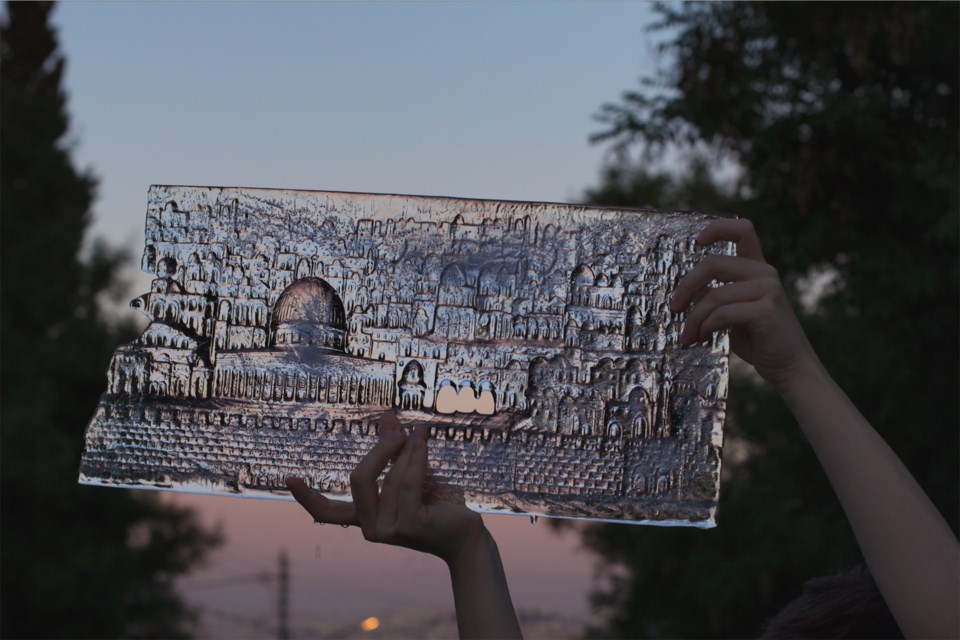
Across from each other in the entrance hall, two works confront the visitor. One that challenges us to consider ephemerality and loss, while the other explores association and inter-linkage. Both, in their way, opaque to the casual observer.

Michel Atrium
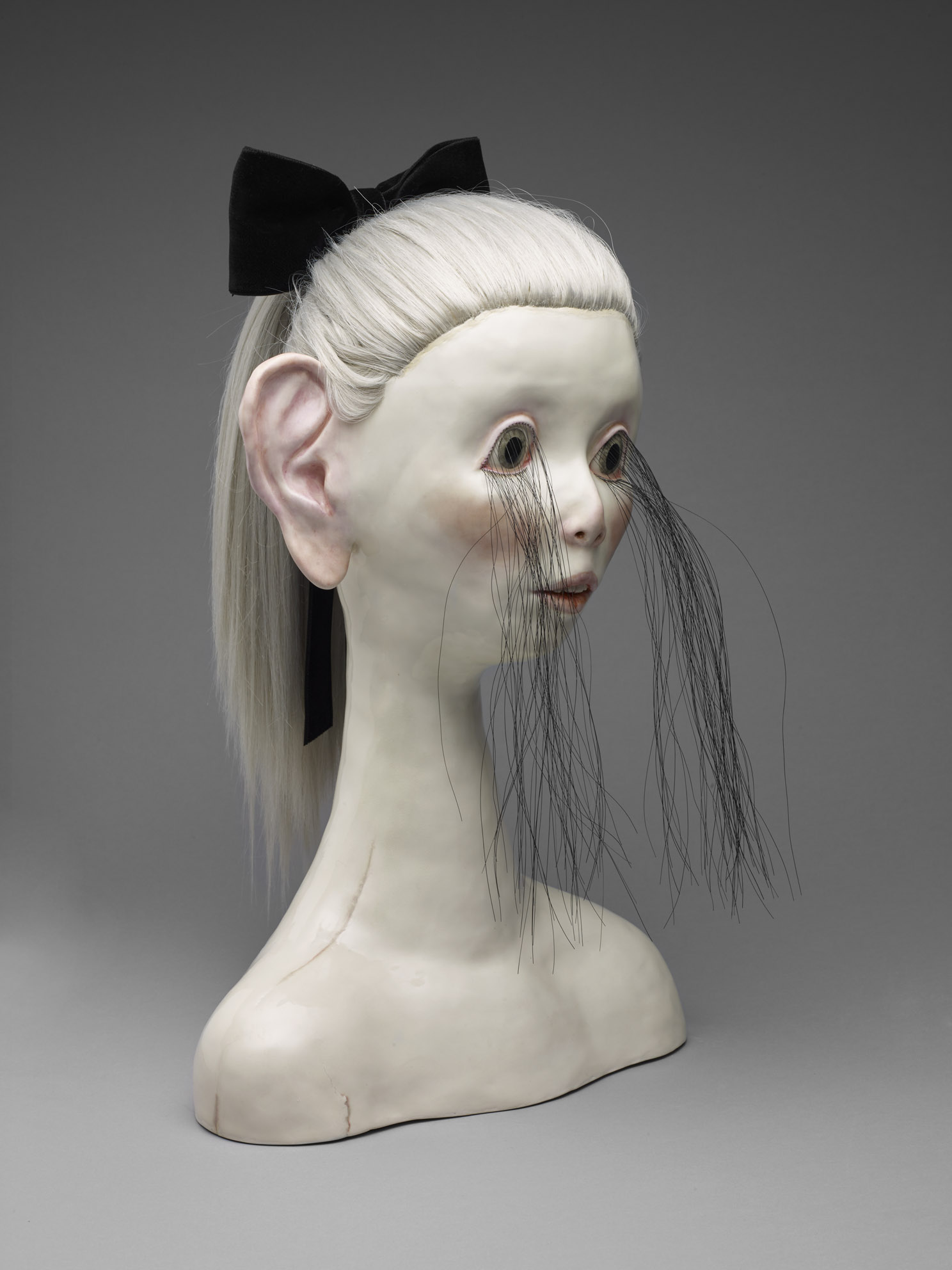
In the atrium named for a tradition that ended with the Fictional Family’s matriarch, we lament events that we wish took a different course . Whose memory is not touched by regret? Regret for an action not taken, a story not recorded, or a loved one lost to us.


WREN Atrium
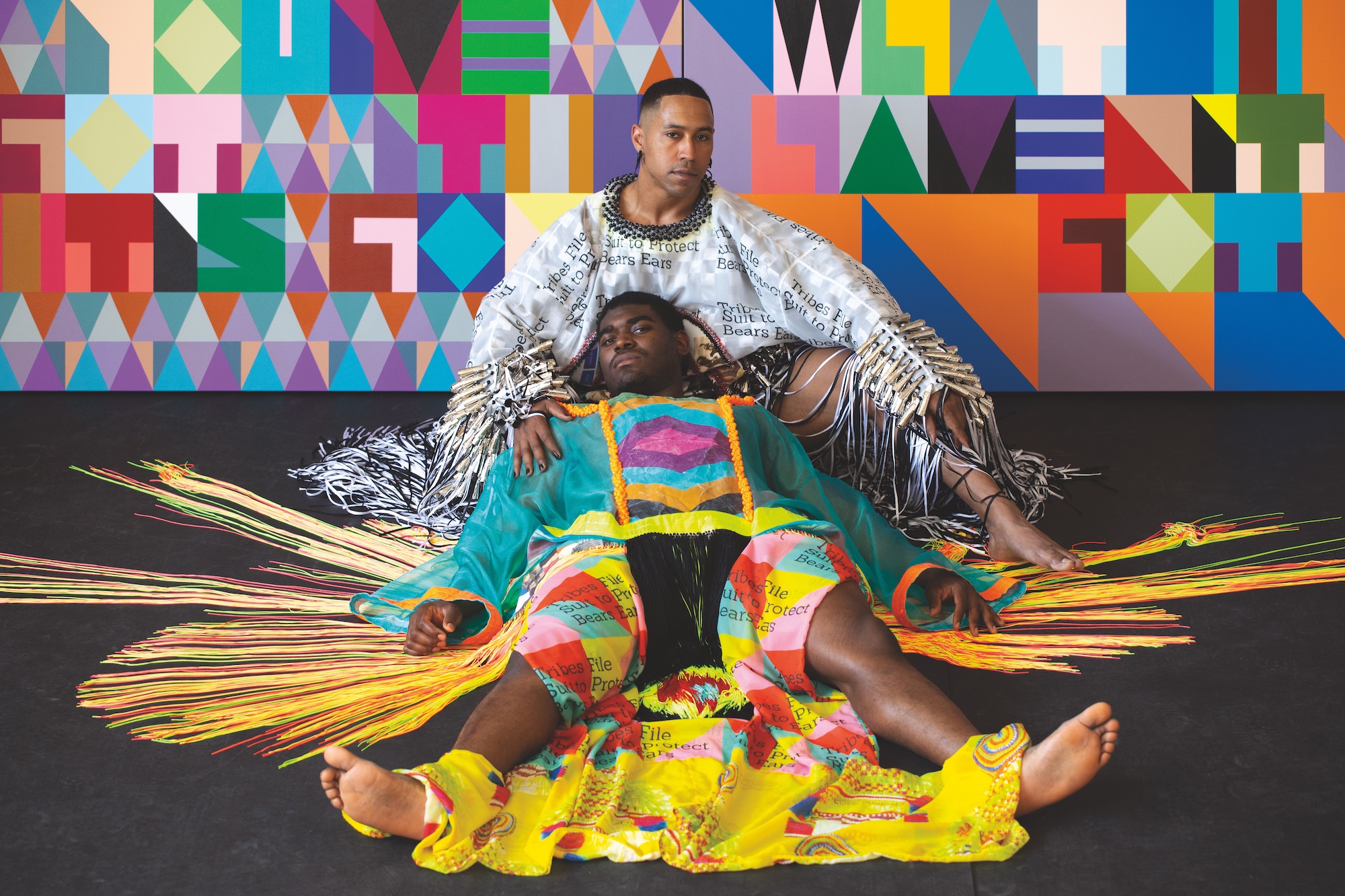
WREN Atrium — named for the Women’s Royal Naval Service where Fictional Family members served during World War 2. Here, multiple installations ask us whose histories are afforded the privilege of being remembered, and how.


Ironside Hall
A great great grandparent of the current Fictional Family Matriarch lends their name not only to this hall, but to the grandson of the Matriarch. The works here circle choices that are made and how they guide us forward in our lives. Centered are the immigrant and the queer story, juxtaposed against more traditional western narratives. How does this tension inform who we are?


Following a conversation with my tutor, I chose to expand on this post through the artifice of a fictional interview. This idea came from the catalogue for the MOCA’s Greater Toronto Art 2021 exhibit which was primarily presented as a series of interviews with each contributing artist. The name of the interviewer was chosen from a family member’s name.
D. Dale: The selections of works in this exhibit are diverse, and range from the 19th century through to the current day. Can you speak a bit about the choices?
M. Young: In the team’s earliest discussions, it was very important to us that we wanted to showcase modern and non-western voices against narratives of the western canon. We wanted to show newer and emerging artists alongside established and well known.
As our theme revolved our memories and responses, this gave us a large palette of themes to draw upon. Ultimately this lead us to cast quite a wide net in order to showcase not just the artists in our focus, but bring in the works that influenced either those creations or the cultural conversations at large.
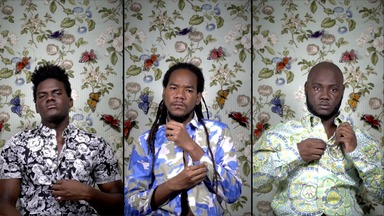
DD: Patterson’s Three Kings Weep is such a powerful piece on its own, and yet you set it against three other major arresting pieces —
MY: (interrupting) — I’d shy away from use the word ‘against’. They’re in conversation, or perhaps, there is a conversation occurring within the WREN atrium.
I think Three Kings Weep is one of my favourites in the whole show, and here it represents the theme of the dialogue in that room. As the three individuals dress, they progressively conceal their emotions — conceal their true selves. It speaks to the question of who gets to be represented and how that representation is allowed to be. The other pieces in this room ask the viewer to grapple with this question from different angles.
DD: You mention Three Kings Weep as one of your favourites, is there another key piece in the show?
MY: Every piece, here, is a favourite in one way or another. But it is probably Nour Bishouty’s Al-Quds Kabeer that brought all our ideas together. Sculptures of ice are immediately ephemeral, you physically cannot keep them no matter how beautiful or treasured. Further, holding such an object not only quickens its destruction, but causes physical pain to be in direct contact. As material allegory, it is captivating.
Our memories shape who we are, they aren’t just snapshots in an album. They’re experiences that indelibly create the narrative of who we are as people, what our choices are and how we interact with each other. However, we cannot ever truly hold onto these memories; as time passes they fade, become indistinct and in that loss there is very real pain.
Every room in this exhibit, in some way, echoes that thought set up by Al-Quds Kabeer.